


THIS IS NOT AN EVENT ORGANISED BY KENT GRENADIERS
IT IS SHOWN HERE BECAUSE IT IS LIKELY OF INTEREST TO OUR MEMBERS, OR OTHERS WHO VISIT OUR WEBSITE
Armistice Day, observed each year on 11 November, marks one of the most significant moments in modern history: the end of the First World War. At 11 a.m. on 11 November 1918, the guns finally fell silent on the Western Front after more than four years of unimaginable suffering. The Armistice signed between the Allies and Germany brought hostilities to a close and offered the world its first fragile glimpse of peace.
More than a century later, Armistice Day remains a solemn and unifying moment for the nation. It is a day not only to remember the fallen of the First World War, but to honour all who have served, suffered, or sacrificed in conflicts since.
The Two Minutes’ Silence
At the heart of Armistice Day is the Two Minutes’ Silence at 11 a.m. This simple act of collective stillness—observed in workplaces, schools, homes, and on streets across the country – allows us to pause and reflect. In those quiet moments, we acknowledge the courage of those who served, the grief of families left behind, and the enduring cost of war.
The silence is a reminder that remembrance is not passive. It is a choice to honour the past and to recognise the responsibilities of the present.
The Symbol of the Poppy
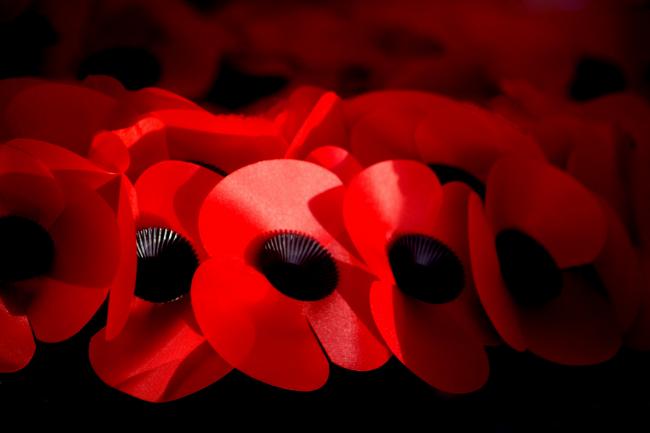
The red poppy has become the enduring emblem of remembrance. Inspired by the flowers that grew on the battlefields of Flanders, the poppy represents both the sacrifice of the fallen and the hope for a more peaceful future.
Wearing a poppy is a personal act of remembrance – an expression of gratitude, respect, and reflection.
Armistice Day and Remembrance Sunday
Although closely linked, Armistice Day and Remembrance Sunday serve distinct purposes:
- Armistice Day Always on 11 November, marking the exact moment the First World War ended.
- Remembrance Sunday Held on the second Sunday of November, when the nation gathers for formal services, including the ceremony at the Cenotaph in Whitehall.
Many communities, regiments, and associations observe both, ensuring that remembrance is both personal and collective.
Why Armistice Day Still Matters
Armistice Day endures because the values it represents—service, sacrifice, duty, and peace – remain as relevant today as they were in 1918. It reminds us that behind every name on a memorial lies a story: a life lived, a family changed forever, a sacrifice made in the hope of a better world.
For organisations, associations, and communities with deep military heritage, Armistice Day is not only a historical milestone but a living tradition. It is a moment to honour those who came before us and to reaffirm our commitment to ensuring their stories are never forgotten.
A Shared Act of Remembrance
Whether observed in a crowded town square, at a regimental memorial, or quietly at home, Armistice Day belongs to everyone. It is a day when the nation stands together—united in gratitude, reflection, and remembrance.
